
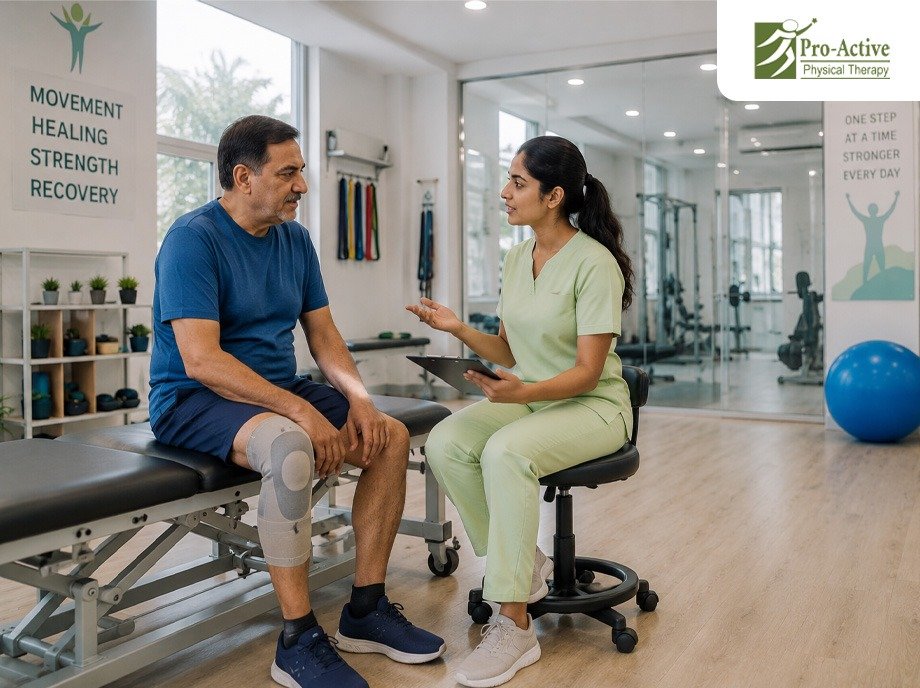
Still Struggling Weeks After Knee Replacement? Here’s What Rehab Should Feel Like
Most patients who undergo knee-replacement surgery go in with the hope that their pain will be eliminated in fell swoop. The arthritic joint gets swapped out, the procedure is over, and life is back to normal.
But patients who find their recovery taking longer and more frustrating than they thought it would.
Even weeks after surgery, you may have difficulty getting out of bed. Walking can be an uncomfortable motion. You might find climbing stairs unsettling. On some days, your knee may seem strong and others it feels swollen and tight. If this is beginning to sound familiar, you’re not “falling” at recovery. Sometimes that is exactly what you need; structured supervised work towards healing.
Recovery Does Not End After Surgery
A knee replacement operation can repair the joint, but will not automatically get the strength, movement, balance and confidence back.
For many people, months or years of altered movement due to the pain, can cause weakening of muscles, postural changes and altered gait.
Once the operation has taken place, your body will need to go through the process of rediscovering its proper and most effective way of moving.
Yet, through physical therapy Sunnyvale patients can discover that it’s not just about rehabilitating the knee, but about restore mechanisms throughout the body.
What Rehab Should Actually Feel Like
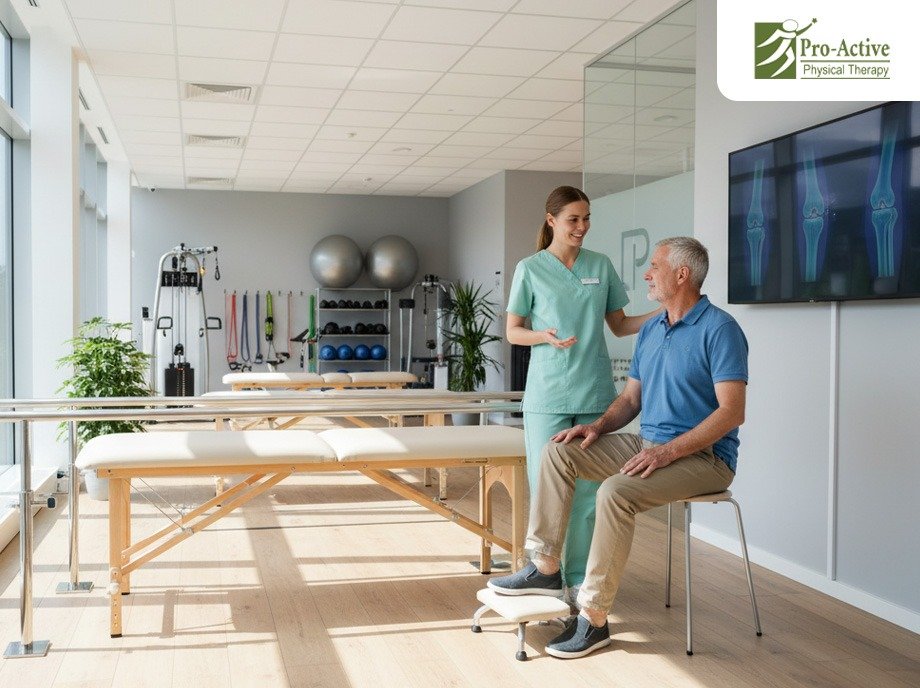
One of the biggest concerns patients have is:
“Would I still feel this way?” The fact is, recovery isn’t always the easiest route.
Feeling a little sore, stiff and tired is pretty normal throughout the healing process.
- More stability during walking
- Confidence in standing and moving
- Reduced stiffness
- Increase strength week after week
Our team of physical therapists at Proactive Physical Therapy, located at Sunnyvale help patients recover faster and how to go about avoiding fear, with healthy and safe movement.
Why Some Patients Continue Struggling
Several factors can slow recovery after knee replacement surgery.
1. Muscle Weakness
The muscles surrounding the knee, hips and core may need to be strengthened and stabilized
2. Fear of Movement
Many patients are cautious about fully flexing the knee or when application of weight through the limb.
3. Swelling and Stiffness
There may be residual swelling, which is painful and may restrict movement or give a sense of tightness and stiffness
4. Compensated Movement Patterns
Your body is programmed to the old ways of doing things that you used to do before the operation
By providing various physical therapy services in Sunnyvale, therapists try to target and resolve these problems rather than just cause, which in this case is the knee joint.
Why Guided Rehab Matters
Attempting to “grit and bear” recovery by yourself be a very frustrating ordeal. Structured rehabilitation helps patients gradually rebuild:
- Strength
- Flexibility
- Walking mechanics
- Balance
- Confidence in movement
At Proactive Physical Therapy, the treatment protocols will be decided on a case by case basis according to each individual patient. While others seeks counseling on how to resume normal activities, such as being able to walk, patients at Sunnyvale return to activity through hobbies, travel, or other weight bearing activity.
Medicare and Knee Replacement Recovery
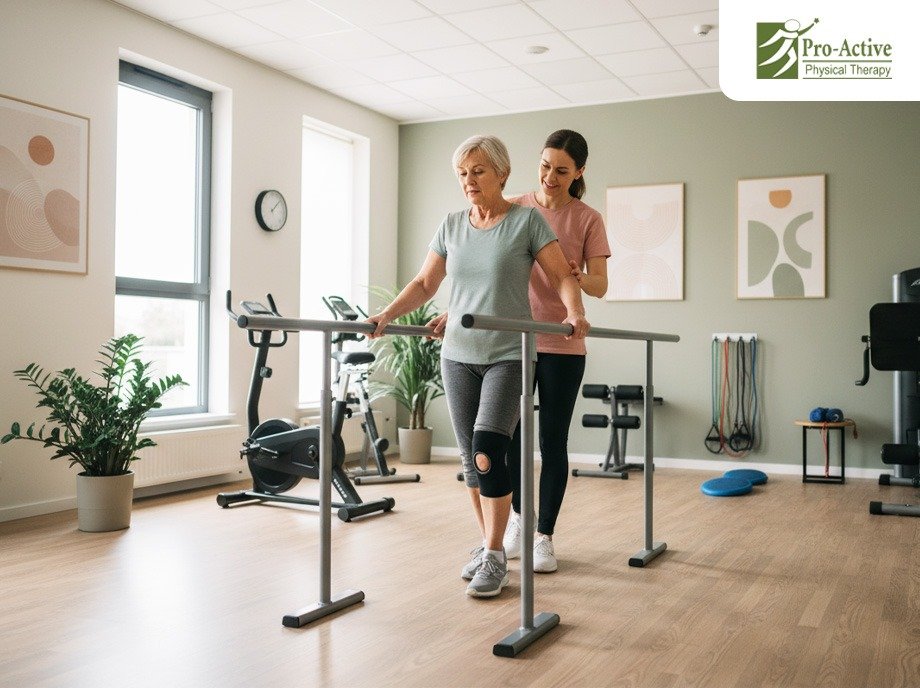
A lot of the knee replacement patients are Medicare recipients and this is one of the most important facts to know about the long term success of a knee replacement.
Physical therapy, when medically necessary, through Medic is may assist one in regaining mobility, rebuilding strength, and reducing risk of falls in patients who are recuperating from knee replacement surgery.
In Sunnyvale CA, geriatric physical therapy may involve regaining safe mobility, increasing walking confidence, and reestablishing functional independence.
In some cases, ongoing rehab at the Sunnyvale CA Geriatric Rehabilitation Program may further decrease stiffness and improve patient function several weeks after surgery.
Recovery Is More Than Healing the Knee
Something perhaps patients don’t realize is the emotional recovery. Patients are annoyed when even simple movements aren’t easy a few weeks after surgery.
Patients want to know if they are just “behind” and whether they should have already finished the job.
But rehabilitation is not just about the joint. It’s about retraining your body and rebuilding faith in movement once more.
Having help and comfort along the way is a huge benefit for many individuals seeking the best physical therapy Sunnyvale has to offer.
You Don’t Have to Figure It Out Alone
If you are still having problems weeks after your knee replacement operation, it does not mean that there is necessarily something wrong. It may be that your body simply needs continued support, structured rehabilitation and patience!
The right rehab program allows recovery to be experienced as supported, self-empowered, and less overbearing.
Take the Next Step
If you are still having problems with stiffness, weakness or walking, help is available.
Schedule a consultation at Proactive Physical Therapy Sunnyvale for a personalized rehab plan to help you move comfortably and confidently again.