
Does Your Jaw Feel Stuck After Yawning or Eating? It Could Be TMJ
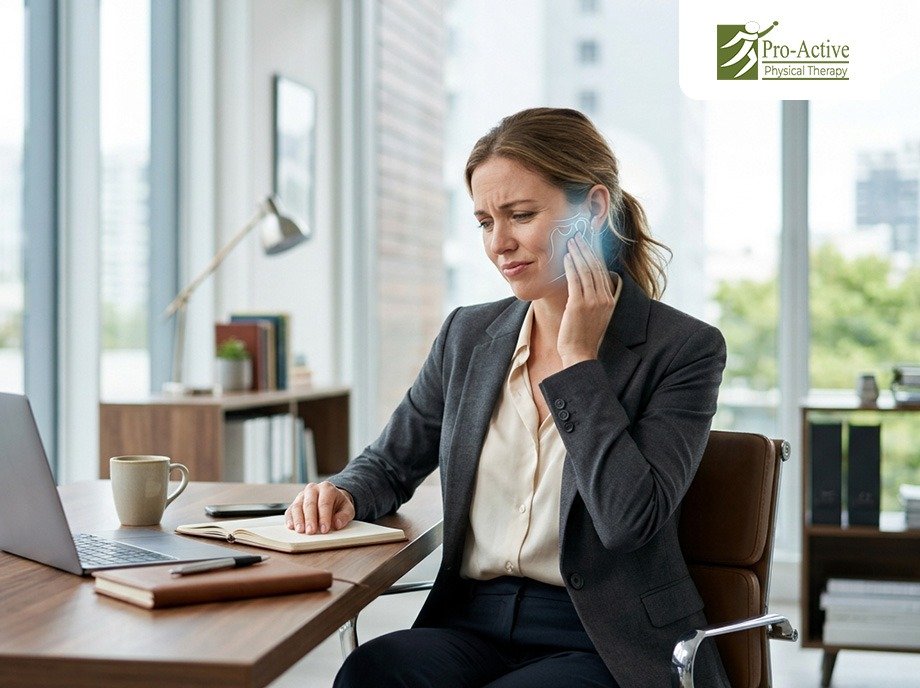
Most people never really notice their jaw until something seems wrong. For example: your jaw clicks when you eat, it feels tight after a long day, or awkwardly stuck after a yawn so that its hard to close your mouth comfortably.
At first, these incidences seem insignificant and go unnoticed because you wonder if its simply a passing thing. But, when jaw pain starts limiting your ability to eat, talk, or do even the simplest movement, it is most probably a case of TMJ dysfunction.
The key to relief is to understand the message your body is communicating to you.
What Is TMJ?
TMJ stands for the temporomandibular joint, the joint that connects your jaw to your skull. This joint works constantly throughout the day while chewing, speaking, yawning, and swallowing.
Because it is used so frequently, even small changes in muscle tension or joint movement can lead to noticeable discomfort.
Through physical therapy Sunnyvale, many patients learn that TMJ issues are often connected not just to the jaw itself, but also to posture, muscle tension, stress, and neck mechanics.
Why the Jaw Starts Feeling “Stuck”
If your jaw feels jammed, locked, or it’s tough to move it smoothly, it typically means the muscles and joint are not cooperating properly anymore. It can be caused by:
1. clenching or grinding
2. Stress-related muscle tension
3. Poor posture during desk work
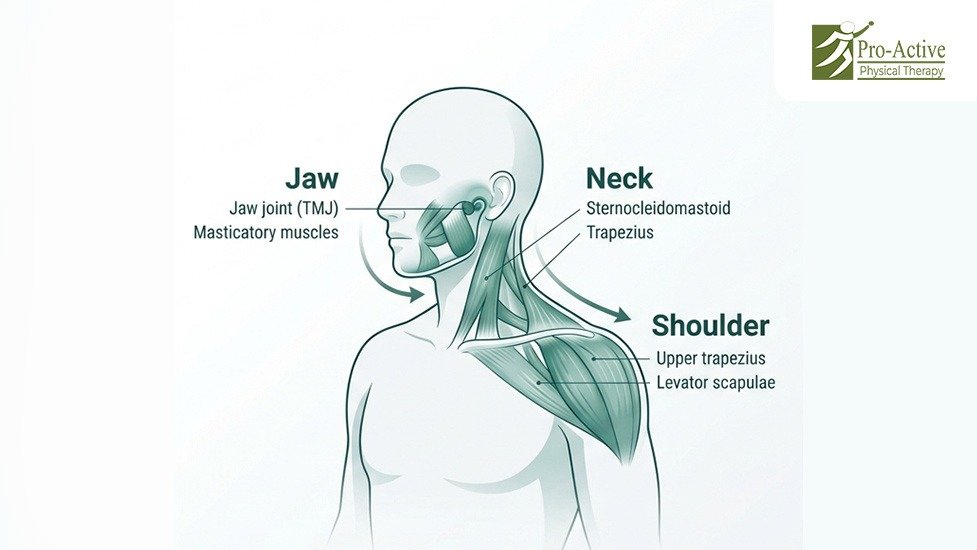
4. Tightness in the neck and shoulders
5. Changes in jaw mechanics over time
Sometimes the jaw may click before opening fully. In other cases, it may feel tight after eating chewy foods or yawning widely.
Patients experiencing neck pain Sunnyvale symptoms are often surprised to learn how closely the jaw and neck are connected.
It’s Not Just About Jaw Pain
Jaw issues linked to TMJ don’t always manifest as the typical jaw pain. Most of the time, the symptoms are so mild that they go unnoticed by people.
You might experience:
1. Pain in your temples
2. Feeling of constriction close to your face or ears
3. Discomfort doing the chewing
4. Residual stress after work hours
5. Becoming tired when talking or eating
Since these symptoms gradually develop, a lot of people end up accommodating them and not realizing how much strain their body is under.
Partnering with a Sunnyvale physical therapist, you get help in determining whether these symptoms result from jaw problems, muscle stiffness, or unbalanced movements.
Why Screen Time and Stress Matter
Modern lifestyles play a bigger role in TMJ symptoms than many people realize.
Long hours looking down at screens, working at a desk, or carrying tension in the shoulders can affect how the jaw moves and rests. Stress also contributes to clenching, especially during sleep.
Over time, these habits increase pressure around the jaw joint and surrounding muscles.
Through physical therapy services in Sunnyvale, patients often learn how posture and daily movement habits contribute to ongoing tension and discomfort.
How Physical Therapy Helps TMJ Symptoms

TMJ treatment does not focus solely on the jaw. The aim is to enhance the coordination of the muscles neck posture, and joint.
Proactive Physical Therapy Sunnyvale’s team can assist you with:
1. Slow and controlled jaw movements
2. Muscle relaxation techniques
3. Correcting posture
4. Exercising neck and shoulder 5. Changing daily habits to reduce muscle strain
Physical therapy in Sunnyvale has helped patients by providing them relief not just in the jaw, but also in headaches, neck tension, and giving them a better range of motion. Many people who locate physical therapy close to Sunnyvale find that individual treatment enables them to return to their normal activities comfortably and confidently.
Can Medicare Patients Seek Physical Therapy for TMJ Symptoms?
Many older adults experience jaw stiffness, tension, or difficulty chewing but assume it is simply part of aging.
In some cases, TMJ symptoms may be connected to arthritis, posture changes, chronic muscle tension, or movement limitations affecting daily function.
For Medicare patients, medically necessary physical therapy may help address jaw-related movement dysfunction when symptoms are affecting comfort, eating, speaking, or overall function.
Through geriatric physical therapy in Sunnyvale CA, treatment can focus on improving mobility, reducing muscular tension, and supporting safer, more comfortable movement patterns.
You Don’t Have to Ignore the Signs
A jaw that clicks, tightens, or feels stuck is often your body’s way of asking for support. The earlier these symptoms are addressed, the easier it may be to improve movement and reduce long-term discomfort.
You do not have to wait until symptoms become severe to seek help.
Take the Next Step
If jaw tightness, clicking, or discomfort is affecting your daily life, support is available.
Book a consultation with Proactive Physical Therapy Sunnyvale and learn how personalized physical therapy can help improve jaw comfort, movement, and everyday function.