
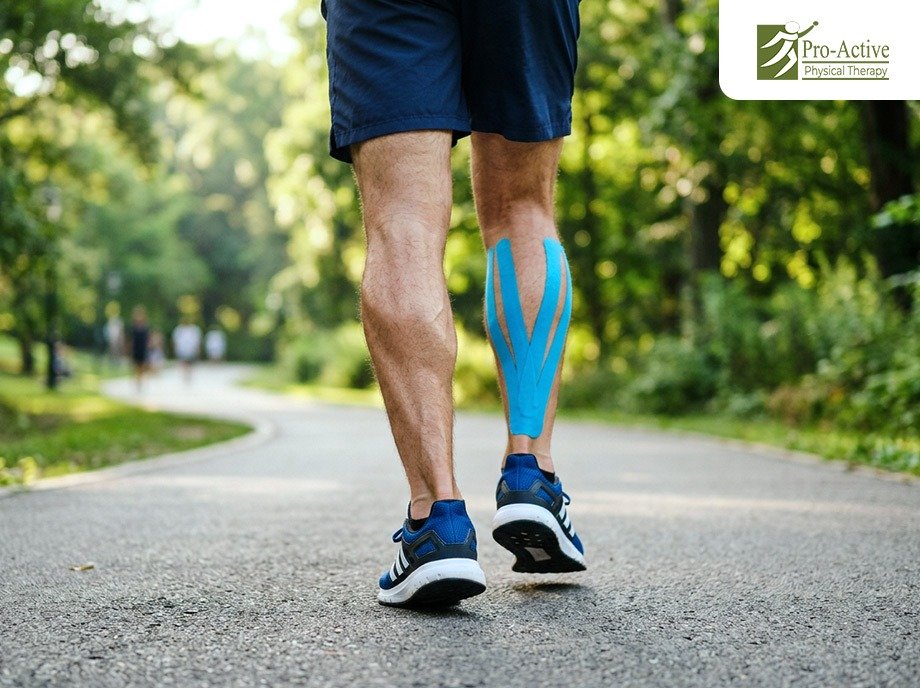
Dealing with Lower Leg Pain During Exercise? How Kinesio Taping May Help
Running, cycling, hiking, or just being active in general are great ways to keep fit, but lower leg pain can totally spoil your exercise if it gets out of hand. A slight tightness in the calf muscles or a dull ache in the shin initially may progress to a pain that compromises the level of performance, the process of recovery, and even normal day-to-day activities.
Some active others think that all they need is to rest a little more or maybe they have to bear the pain and keep going. Though, regular lower leg pain can be an indication to the changing body and may need more support, more efficient movement techniques or even a detailed inspection of the reason for the strain.
Kinesio Taping is one method often combined with physical therapy. It is a method that helps to support the body movement while at the same time it allows the muscles and joints to operate naturally.
Why Lower Leg Pain Happens During Exercise
The lower leg bears the brunt of the shock when you move your body. Walking running jumping, and climbing all rely on the muscles, tendons, and joints of the lower leg functioning perfectly in unison.
If training volume increases, recovery is inadequate, or movement mechanics deteriorate, some structures can experience overload.
Many runners, sportspeople, and those who resume exercising after a layoff are most vulnerable.
Eventually, the stress through repetition causes pain that can be felt during and/or after the exercise.
The Problem Isn’t Always an Injury
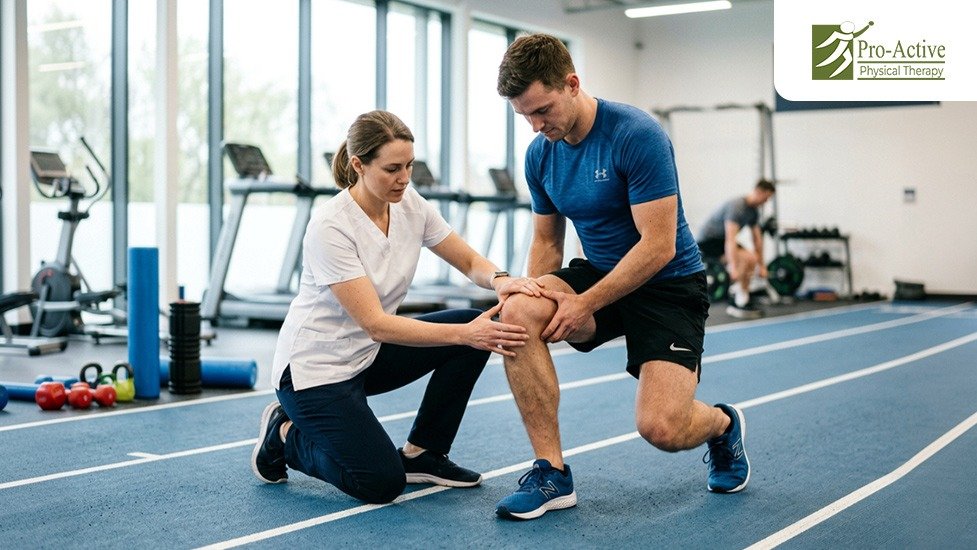
A number of people link lower leg pain to major injuries, though a pain can derive from other causes as well.
Most often it is done because of a muscle that is overworked in the process of a body movement. Factors leading to the development of pain are tight calf muscles, muscle tiredness, lessened ankle mobility, or different movement patterns that can cause the body to get strained over and over again.
Soreness after workouts for quite some days, although not that often may be the first symptom of pain which over time can become severe and you may even feel it all day long.
Most people end up neglecting the initial symptoms and the problem gets worse instead of better.
How Kinesio Taping Works
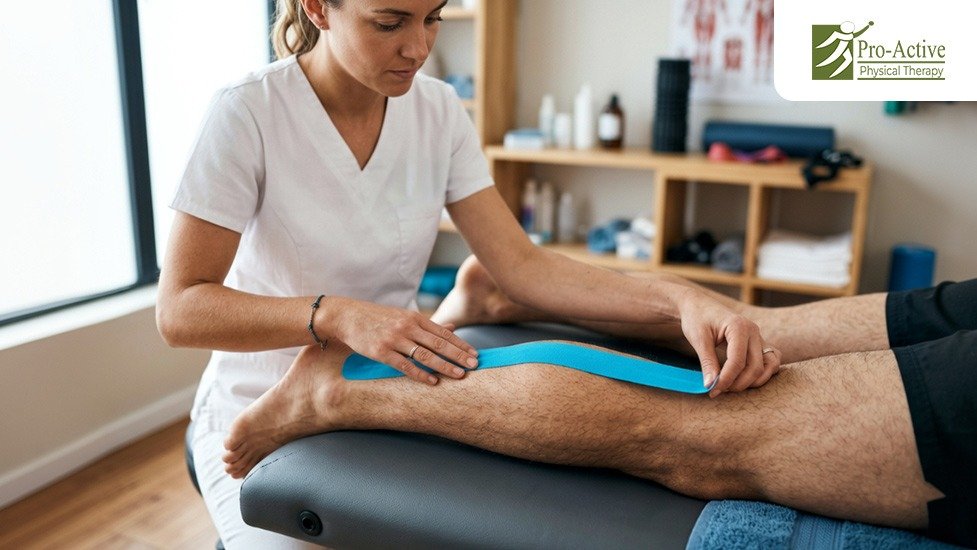
Kinesio Taping is a flexible therapeutic taping method commonly used to support muscles and joints during activity.
Unlike rigid athletic tape, Kinesio Tape moves with the body. The goal is not to restrict movement but to provide gentle support while encouraging normal function.
Depending on the individual’s needs, Kinesio Taping may be used to:
- Support tired muscles
- Reduce stress on overworked areas
- Improve body awareness during movement
- Assist with recovery during activity
Because every individual moves differently, taping techniques are customized based on the area being treated and the goals of the activity.
Why Athletes and Active Adults Use It
One reason Kinesio Taping has gained popularity is that it supports people to be active while and being supported.
People who are training for races, cycling on their weekends, doing their weekend sports, or just staying active can make taping part of their recovery and movement plan.
Don’t think of taping as a stand-alone solution to the problem of your pain, it can be an effective add-on when combined with a good program of physical therapy that will get to the root of the problem.
Physical Therapy Looks Beyond the Pain
The location of pain in the lower leg is hardly ever the only issue.
Most of the time, issues in other parts of the body lead to lower leg problems. For example, if the hips are weak, the ankle doesn’t move well, or if there are poor balance skills and inefficient ways of moving, then these scenarios could put extra pressure on the lower legs.
Physical therapy Sunnyvale is a great way to learn about the body, the way different parts move, and why some areas may be getting more stress than the others.
At Proactive Physical Therapy, our main goal is to find out the things that cause pain to address them rather than only the symptoms. This allows patients to gain strength, move better, and become less prone to issues.
When Should You Seek Help?
Many people wait until discomfort becomes severe before seeking treatment. However, addressing lower leg pain early often leads to better outcomes and a faster return to activity.
Some signs that it may be time to seek professional guidance include:
- Pain that returns after every workout
- Discomfort that affects walking or daily activities
- Tightness that never fully resolves
- Pain that gradually becomes more intense
The earlier movement issues are identified, the easier they are often to correct.
What About Active Older Adults?
Lower leg pain doesn’t only affect athletes. Many active older adults experience calf tightness, shin discomfort, or leg fatigue during walks, hikes, and exercise programs.
When pain begins affecting mobility, exercise tolerance, or daily function, physical therapy may help improve movement and overall comfort.
For Medicare patients, medically necessary physical therapy may be available when lower leg pain contributes to functional limitations or difficulty performing daily activities.
Through Proactive Physical Therapy, treatment can focus on improving strength, mobility, balance, and movement confidence so patients can continue participating in the activities they enjoy.
Support Your Movement Before Pain Slows You Down
Workouts ought to push your body but they shouldn’t cause you pain again and again – pain that even limits your ability to keep moving.
If pain in your lower leg is a regular thing during exercise, then maybe it’s time to stop using quick fixes and figure out what your body is actually telling you.
With good support, proper techniques for movement, and a recovery plan, it is possible to keep being physically active while minimizing the wear and tear on your body that is not needed.
Take the Next Step
If lower leg pain is affecting your workouts, walks, or daily activities, support is available.
Book a consultation with Proactive Physical Therapy and learn how physical therapy and Kinesio Taping can help support recovery, improve movement, and keep you active with confidence.