
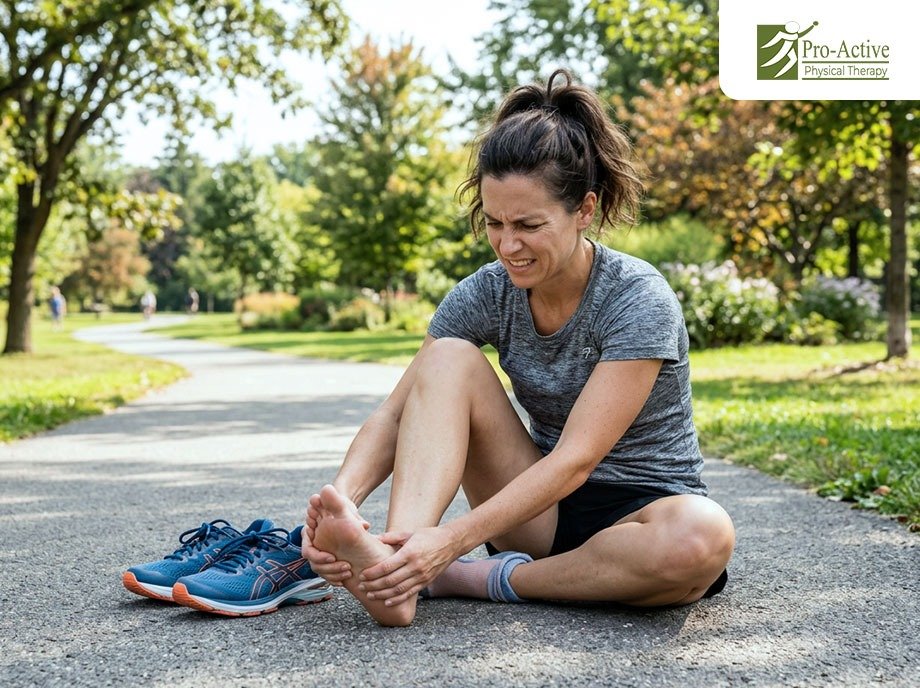
Why Your Feet Hurt More After Running Than They Used To
Once, after a run, you felt recharged. Probably, your feet were a bit tired then, but you were prompt to tie your running shoes and continue running again. Currently, things are not the same. Your feet continue to hurt for a while, you take longer to recover, and soreness appears after distances that you considered easy.
If you relate to this, you are definitely not the only one.
A number of runners encounter a slow progression of foot pain even though their training regime remains almost the same. Fortunately, the pain in the foot is usually the body’s method of telling that something must be addressed to prevent a more severe injury from happening.
Running Places More Stress on Your Feet Than You Think
Each time that you run and your foot touches the ground, your foot is going to feel the impact of the forces working on it several times your body weight. Add to that in reality you are taking thousands of steps during one run and you can imagine why foot is such a big part of overall movement!
If everything is going well, feet help absorb shock and spread the force throughout the body. Though, if there are changes in support, mobility or movement patterns, some parts of the body might end up absorbing extra stress that they were not really intended to handle.
This explains the reason why runners very often identify that the pain arises gradually and not suddenly.
Your Body Changes Even If Your Routine Doesn’t
It’s a misconception among many runners that if they keep doing the same training plan their bodies will react in the same way every year.
Actually muscles joints, and movement patterns evolve over time.
Besides that, many factors like spending long hours sitting at work, old injuries, limited flexibility, muscle strength imbalances, and even daily stress can affect the way your body functions when running. Minor modifications in the way you run often means increased pressure on different parts of your feet like arches heels toes, and ankles without you noticing.
At first, this may show up as mild soreness after a run. Over time, however, the discomfort can become more frequent and harder to ignore.
The Problem May Not Actually Be Your Feet
Many individuals are shocked when they realize that foot pain does not necessarily originate from the foot itself.
The feet are linked to every part of the body above them. For example, hip weakness, lack of ankle flexibility, deterioration of balance, or alterations in the way one walks or runs, are just some of the factors that often means an increased level of stress on the feet.
When a certain part of our body function poorly, another part will compensate. The consequence is unnecessary stress in places where it really should not be.
This circumstance explains why some runners have foot pain together with knee pain, tightness of calves, soreness of hips or even tension in the lower back.
Are Your Inserts Still Providing the Support You Need?
If you wear custom inserts or orthotics, it’s important to remember that they don’t last forever.
Over time, inserts can lose their ability to support proper alignment and distribute pressure effectively. Even if they still look fine, normal wear and tear can reduce how well they function during daily activities and exercise.
When support begins to decline, the feet may have to work harder to absorb impact and maintain stability. This increased workload can contribute to discomfort during and after runs.
Many active individuals seeking custom orthotics Sunnyvale services are surprised to learn that updating or adjusting their inserts can significantly improve comfort and movement.
Why Ignoring Foot Pain Can Lead to Bigger Problems
It’s easy to push through minor aches and pains, especially if you enjoy running.
The challenge is that many common running injuries start with symptoms that seem small at first.
Common warning signs include:
- Foot pain that lasts longer after activity
- Increasing soreness during runs
- Heel or arch discomfort
- Pain that affects walking after exercise
When these symptoms are ignored, the body often compensates, creating additional stress on the knees, hips, and other joints.
Addressing the problem early is usually much easier than dealing with a more significant injury later.
How Physical Therapy Can Help
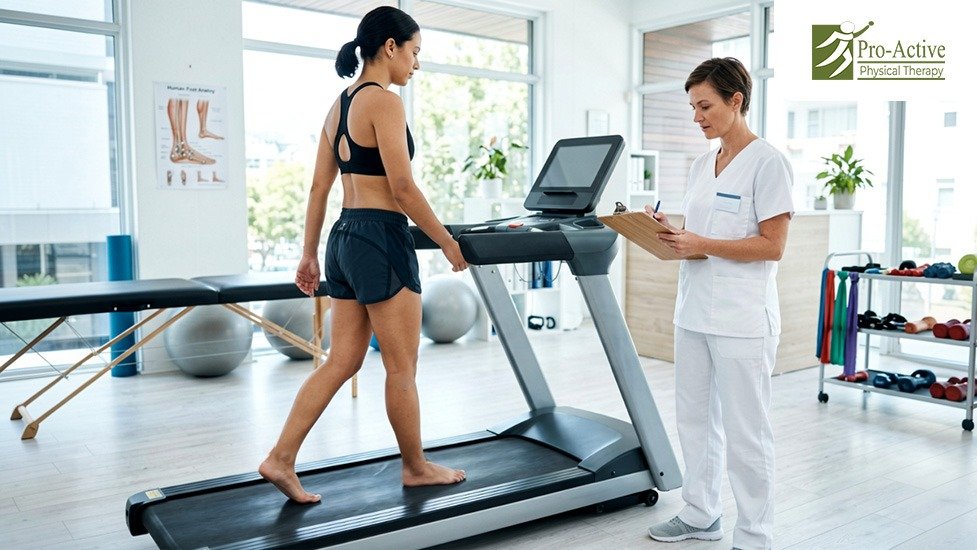
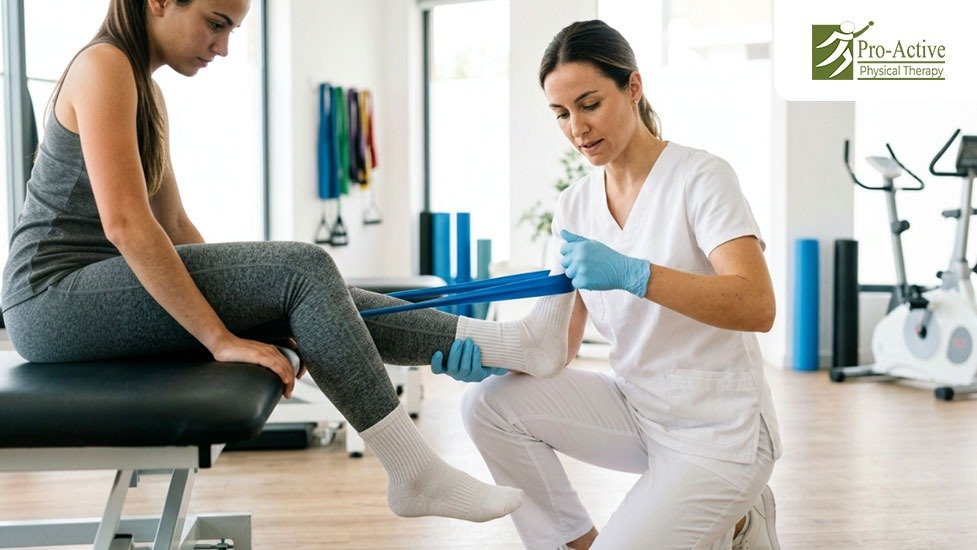
Physical therapy is a lot more than just treating symptoms like pain. The idea is to find out why the pain occurred and how to keep it from happening again.
By going through physical therapy Sunnyvale, a runner will discover how various factors like strength flexibility balance, mobility, and movement mechanics the contribute to the amount of stress on the foot.
An in-depth assessment might identify certain movement patterns or weaknesses that the patient has been unconsciously relying on so the pain hasn’t surfaced.
At Proactive Physical Therapy clinic, therapies intend to reshape patients’ patterns of movement in order for them to be able to move more effortlessly, heal quicker and maintain their lifestyle of indulging in the things they enjoy doing.
Regardless if you’re planning on running a marathon or just want to keep yourself in good shape, enhancing the way your body moves will Definitely be beneficial.
What About Active Adults and Medicare Patients?
Foot pain isn’t only a concern for competitive runners. Many active adults experience similar symptoms while walking, hiking, exercising, or simply staying active throughout the week.
When foot pain begins affecting mobility, balance, or daily function, physical therapy may play an important role in recovery.
For Medicare patients, medically necessary physical therapy may help address lower-body pain, improve walking mechanics, and support safer, more comfortable movement.
Through Proactive Physical Therapy, many patients are able to regain confidence in their movement and continue enjoying an active lifestyle.
Don’t Let Foot Pain Define Your Runs
Pain is not always a sign that you need to stop running. Often, it’s a sign that your body needs better support, improved movement strategies, or a closer look at what’s contributing to the problem.
The sooner you address recurring foot discomfort, the easier it may be to stay active and avoid more serious setbacks.
Take the Next Step
If foot pain is making runs, walks, or daily activities less enjoyable, support is available.
Book a consultation with Proactive Physical Therapy to learn how physical therapy and custom orthotics can help you move more comfortably, recover more effectively, and stay active doing what you love.