
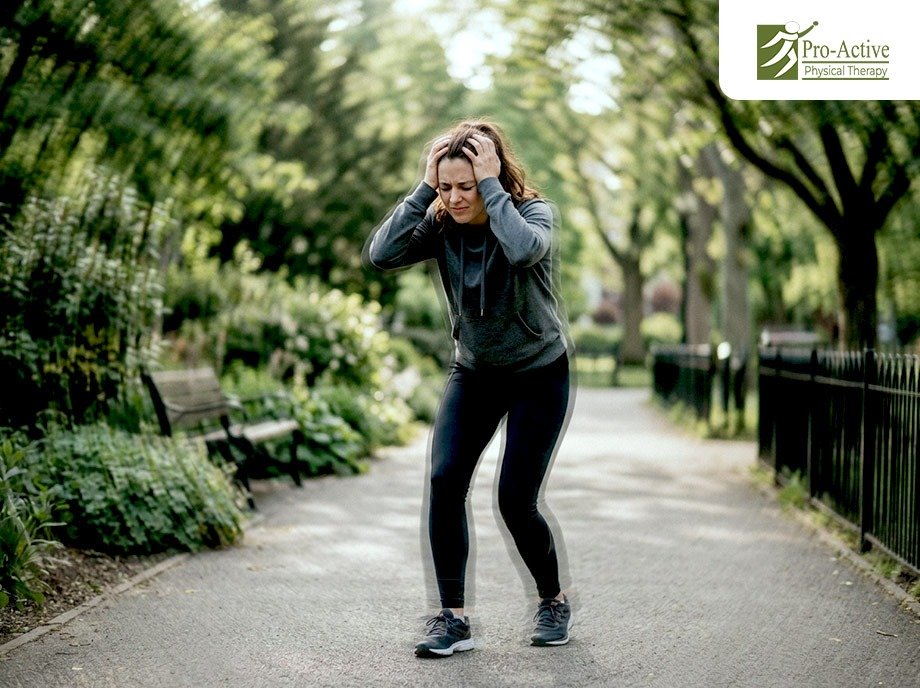
Feeling Dizzy When You Get Active Again? It Might Not Just Be Deconditioning
As you begin to get moving again after a break, illness, or just a slower period, your body can respond in a different way. Movements that were once easy may now feel somewhat strange. In some cases, this may be manifested through the symptoms of tiredness or stiffness.
However, the feeling may be quite different and difficult to describe for others dizziness, imbalance, or lightheadedness during movement. It is a very natural thought to attribute this to the lack of exercises. But it may not necessarily be true condition-wise.
Why Dizziness Can Show Up When You Become Active Again
After a significant break, your body certainly requires a phase of recovery and physical rebuilding. But getting lightheaded while exercising or changing positions is not necessarily being “out of shape” only.
Your inner ear, eyes, and muscles have to work in sync for the balance system to function properly. When these parts are out of sync, movement may cause a sense of dizziness.
Most of the time, it is associated with vestibular dysfunction which is a disorder of the body’s balance and motion processing system.
Many patients experiencing dizziness and balance problems notice symptoms when they:
- Turn their head quickly
- Change positions
- Walk in busy or visually stimulating environments
- Return to physical activity after a break
It’s Not Just Deconditioning
Typically, deconditioning results in tiredness, frailty, or lessened stamina. However, symptoms like dizziness, vertigo, or imbalance, indicate in fact, a much more specific problem.
If the dizziness bothers you while moving around, it may be that your body is getting confused by the movement rather than simply being weak.
The craziness of the whole thing is that how one fixes the problem is also different. Simply going for a workout is not likely to eliminate such symptoms. What is more effective is getting to know how one’s body understands motion by vestibular physical therapy Sunnyvale.
Why Ignoring It Can Slow You Down

Many people try to push through dizziness, hoping it will resolve on its own. Others avoid activity altogether to prevent the feeling.
Both approaches can delay recovery.
Avoiding movement may reduce your body’s ability to adapt, while pushing too hard without guidance can worsen symptoms like motion sensitivity or imbalance.
Addressing dizziness early through physical therapy Sunnyvale allows your body to gradually rebuild both strength and balance in a controlled way.
What Vestibular Rehabilitation Focuses On?
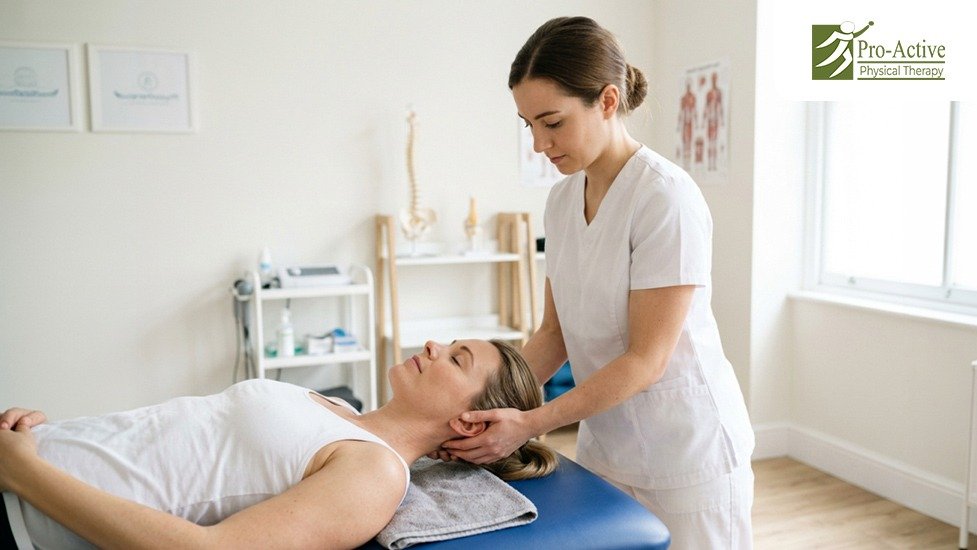
Vestibular rehabilitation is designed to help your body become more comfortable with movement again.
Treatment may include:
- Controlled head and eye movement exercises
- Balance and coordination training
- Gradual exposure to motion
- Postural and walking retraining
The goal is not just to reduce dizziness, but to improve how your body responds to activity overall.
At Proactive Physical Therapy, care is focused on identifying the root cause of symptoms and building a personalized plan that helps you move with more confidence.
Getting Back to Movement with Confidence
Feeling dizzy after you go back to doing things is pretty upsetting and may cause one to give up after all. It might also cause you to be afraid of moving that way you were used to. That is nothing to be ashamed of. Prolonged support might lead to the disappearance of such symptoms.
On the other hand, if you join a Proactive Physical Therapy Sunnyvale team, you will be assured of a guided, safe, and body-fitting recovery.
Take the Next Step
Don’t ignore dizziness that happens during exercise if you are feeling dizzy when active or even at the time of the exercise.
Early help can restore your balance, minimize the feeling of uneasiness, and make you move with confidence again. Make an appointment with Proactive Physical Therapy Sunnyvale and start your journey toward regaining steady and control over your life.