
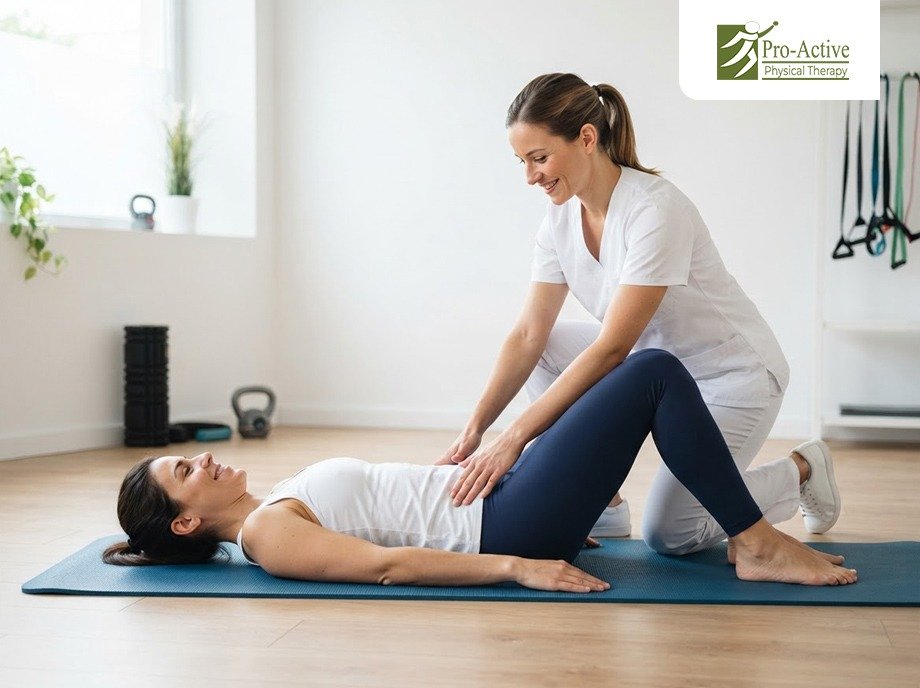
Pain During Intimacy? Understanding the Role of Pelvic Floor Physical Therapy
Discomfort during intimacy is often uncomfortable, frustrating, and tough to talk about. And for a lot of women, it’s almost sure going to pose questions about the source of the discomfort and whether or not it’s something they just have to contend with. But the truth is pain during intimacy isn’t something you should have to live with.
The cause of this discomfort can be other several factors like pelvic floor muscle tightness, decreased muscle coordination, hormonal changes, and some gynecological conditions. Every woman’s case is different, but physical therapy for pelvic floor dysfunction may be helpful.
Knowing what your pelvic floor does and what to look for with signs and symptoms and, where to find the right care, can help you get the next step to being more comfortable.
What Is the Pelvic Floor, and Why Does It Matter?
The pelvic floor is a collection of muscles and tissues that surround and support your bladder, bowel, and reproductive organs. Your pelvic floor muscles are also involved in your control of your bladder and bowels, core stability and sexuality.
The healthy pelvic floor muscle responds by contracting as needed and relaxing when appropriate, and works together with the other muscles in the area, adjusting to sudden pressure changes during activities.
Even so, pelvic floor muscles can become dysfunctional. They can become too tight, unable to relax, weak, and/or not work in harmony with other muscles. Such problems can cause pelvic pain and can make sex painful for many women.
A pelvic floor physical therapist can evaluate the function of these muscles and help you decide whether or not a pelvic floor dysfunction may be a factor in your symptoms.
What Causes Pain During Intimacy?
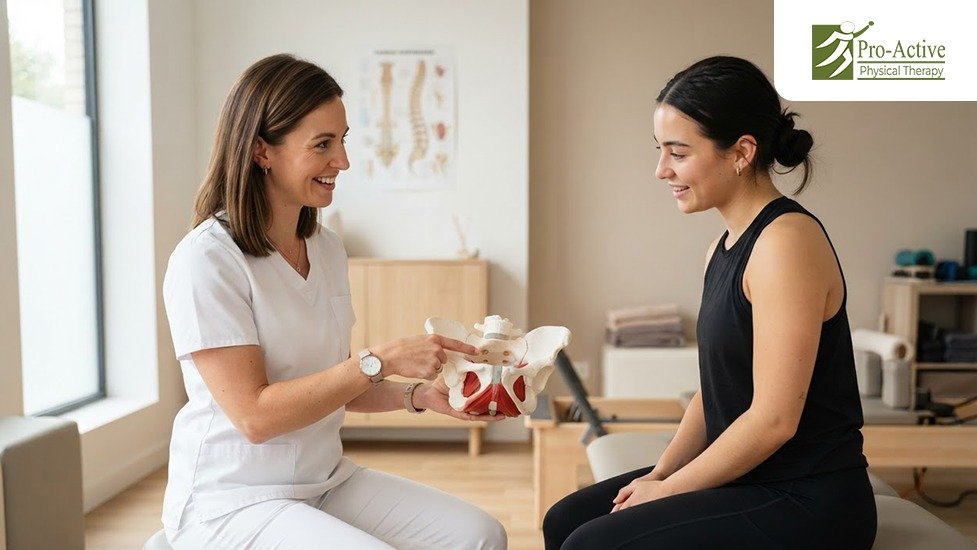
Pain during intimacy, sometimes called dyspareunia, can have several possible causes. Understanding the underlying reason is important because treatment depends on the condition contributing to the discomfort.
Pelvic Floor Muscle Tension
One possible reason is increased tension in the pelvic floor muscles. If these muscles stay contracted or have trouble relaxing, activities that involve penetration can become uncomfortable or painful.
Increased tension of the pelvic floor can also present with: pelvic pressure sitting discomfort or pain trouble relaxing the muscle in specific circumstances these symptoms can also have other sources, and they are not diagnostic of pelvic floor dysfunction on their own.
When the pelvic pain is related to muscle tension or lack of coordination, pelvic pain physical therapy can assist with relaxation breathing movement, and coordination.
Hormonal Changes and Vaginal Dryness
Hormonal changes linked to menopause childbirth breastfeeding, and some medical treatments can bring vaginal dryness or increased tissue sensitivity. This can result in friction, irritation, or discomfort during intimacy.
Although pelvic floor physical therapy can treat some factors of vaginal dryness that involve muscle tightness or movement problems, it cannot directly treat all causes. The provider can make further treatment recommendations based on other symptoms.
Previous Injuries or Childbirth
During pregnancy and childbirth, your pelvic floor muscles and tissues can be affected. Some women develop either weak or tense muscles, sensitive scars or changes in muscle coordination during the postpartum period.
Previous pelvic surgery, trauma, or other health conditions may also cause discomfort. An individualized evaluation will help identify factors and confirm if pelvic floor therapy may be beneficial.
Underlying Gynecological Conditions
Conditions such as endometriosis, vulvodynia, pelvic inflammatory disease, and certain ovarian or uterine conditions can cause pelvic pain or painful intimacy.
Although pelvic floor physical therapy may help address associated muscle tension in some cases, it cannot replace medical evaluation or treatment for these conditions. A healthcare provider can investigate persistent or unexplained pain and recommend appropriate care.
How Can Pelvic Floor Physical Therapy Help?

Pelvic floor physical therapy focuses on assessing and treating problems involving the muscles, connective tissues, and movement patterns of the pelvic region.
Treatment is individualized because pelvic pain does not always result from weak muscles. In some cases, muscles may be too tense or have difficulty relaxing. In others, reduced strength, coordination, or mobility may contribute to symptoms.
Improving Muscle Relaxation and Coordination
When excessive muscle tension contributes to painful intimacy, treatment may focus on learning to relax the pelvic floor rather than strengthening it.
A therapist may use breathing techniques, gentle mobility exercises, relaxation strategies, and other appropriate interventions to help improve muscle coordination. Treatment is adapted to the individual’s comfort and needs.
Addressing Pelvic Pain and Movement Difficulties
Pelvic discomfort can affect more than intimacy. It may also interfere with sitting, exercising, walking, or performing everyday activities.
Pelvic pain physical therapy can help identify movement patterns and muscle-related factors that may contribute to discomfort. Depending on the assessment, treatment may include graded exercises, mobility work, relaxation techniques, and education about managing symptoms.
The goal is to improve function and comfort without aggravating symptoms.
Supporting Postpartum Recovery
For women experiencing discomfort following childbirth, pelvic floor rehabilitation may help address muscle tension, weakness, scar sensitivity, or coordination difficulties when these are contributing factors.
A therapist can assess recovery needs and develop a plan suited to the individual’s symptoms and goals. Treatment may also address the gradual return to exercise and other daily activities.
Not every postpartum concern requires the same treatment, so an individualized assessment is essential.
What Happens During a Pelvic Floor Physical Therapy Appointment?
If you are considering pelvic floor physical therapy Sunnyvale services, knowing what to expect may make the first appointment feel less intimidating.
Your Initial Consultation
The appointment generally begins with a conversation about your symptoms, medical history, daily activities, and treatment goals. Your therapist may ask when the discomfort occurs, how long it has been present, and whether you experience other symptoms, such as urinary leakage, constipation, or pelvic pressure.
You can discuss your concerns at your own pace and ask questions about the assessment process.
The Physical Assessment
Possible examination based on your symptoms may involve postural assessment breathing checking the mobility of the hips, how your abdominal muscles are functioning, and how you are moving.
Your therapist may choose to perform a gentle pelvic floor internal exam to determine the presence of muscle tension tenderness weakness and/or coordination. Not everyone needs or would benefit from an internal exam. Your therapist should give you a reason for the exam, get your consent and honor your choice to participate or discontinue.
Your Individualized Treatment Plan
Following the assessment, your therapist can discuss the findings and recommend an appropriate treatment plan.
This may include breathing exercises, relaxation techniques, gentle stretching, mobility work, or strengthening exercises when indicated. Treatment may also involve education about pacing activities and strategies for managing symptoms.
Progress varies depending on the underlying cause, symptom severity, and individual response to treatment.
When Should You Consider Seeing a Pelvic Floor Physical Therapist?
Any pain you experience during intimacy that is chronic, recurrent, or affects your quality of life is worth addressing. You don’t need to wait until the pain is unbearable to bring it up with your doctor.
If you regularly have pain when penetrating, experience tightness in your pelvic muscles, have pelvic pain after pregnancy, or have pelvic symptoms that limit your activities, then a consultation might be beneficial.
When you search for a pelvic floor therapist near me, make sure you are looking at a qualified professional with the right pelvic health training. A pelvic floor physical therapist can evaluate if your symptoms are caused by any muscle dysfunction and if rehab is right for you.
A doctor should be seen if you have continued or severe pelvic pain to diagnose or exclude gynecological causes and other illnesses. See your doctor urgently if you have severe or sudden pelvic pain with fever, fainting heavy bleeding or suspected pregnancy.
Choosing the Right Pelvic Health Care in Sunnyvale
Addressing pelvic pain begins by working out what’s going on for you, so you know what kind of help is needed.
The women’s pelvic health clinic or a PT practice that is providing pelvic health services might be able to evaluate muscle issues and provide treatment plans customized to your needs. Teaming up with a gynecologist or other healthcare provider may be recommended based on your symptoms.
For pelvic floor physical therapy Sunnyvale, find a provider who is willing to listen to your questions, communicates effective explanations, and adheres to your wishes and your personal comfort level.
Pelvic health rehabilitation from Proactive Physical Therapy can be the solution for you and how you move. If sex is painful for you, speak to a clinic team member today and inquire about access to the clinic for pelvic health services and if an assessment may be a viable option.
Take the First Step Toward Greater Comfort
Pain during intimacy can have physical, emotional, and lifestyle effects, but you do not have to navigate your concerns without support. Identifying the underlying cause is an important first step toward finding an appropriate solution.
When pelvic floor muscle tension, weakness, or coordination difficulties contribute to symptoms, pelvic floor physical therapy may help improve muscle function and comfort. Other causes may require medical treatment or a combination of approaches.
If pelvic discomfort is affecting your daily life or intimate relationships, consider discussing your symptoms with a qualified healthcare professional. With the right assessment and individualized care, you can make informed decisions about your pelvic health and recovery.
FAQ
1. Can pelvic floor physical therapy help with pain during intimacy?
Yes. When pelvic floor muscle tension, weakness, or coordination difficulties contribute to painful intimacy, physical therapy may help improve muscle function and comfort. Treatment depends on the underlying cause, and some conditions require additional medical care.
2. How do I know if I need a pelvic floor physical therapist?
Consider consulting a pelvic floor physical therapist if you experience persistent pelvic discomfort, recurring pain during intimacy, pelvic muscle tightness, or symptoms following childbirth. A healthcare provider can help determine whether pelvic floor dysfunction may be contributing to your symptoms.
3. What happens during pelvic floor physical therapy for pelvic pain?
Treatment typically begins with a discussion of your symptoms and an individualized assessment. Depending on your needs, therapy may include breathing exercises, muscle relaxation, gentle mobility work, and strengthening when appropriate. Any internal examination should be explained beforehand and performed only with your informed consent.